
A deleted WhatsApp message. A deepfake video. A voice recording generated by artificial intelligence. An online post that sparks violence offline.
These are no longer hypothetical situations. They are the kinds of digital realities that are increasingly finding their way into Nigerian courtrooms, requiring judges to interpret long-standing legal principles in entirely new contexts.
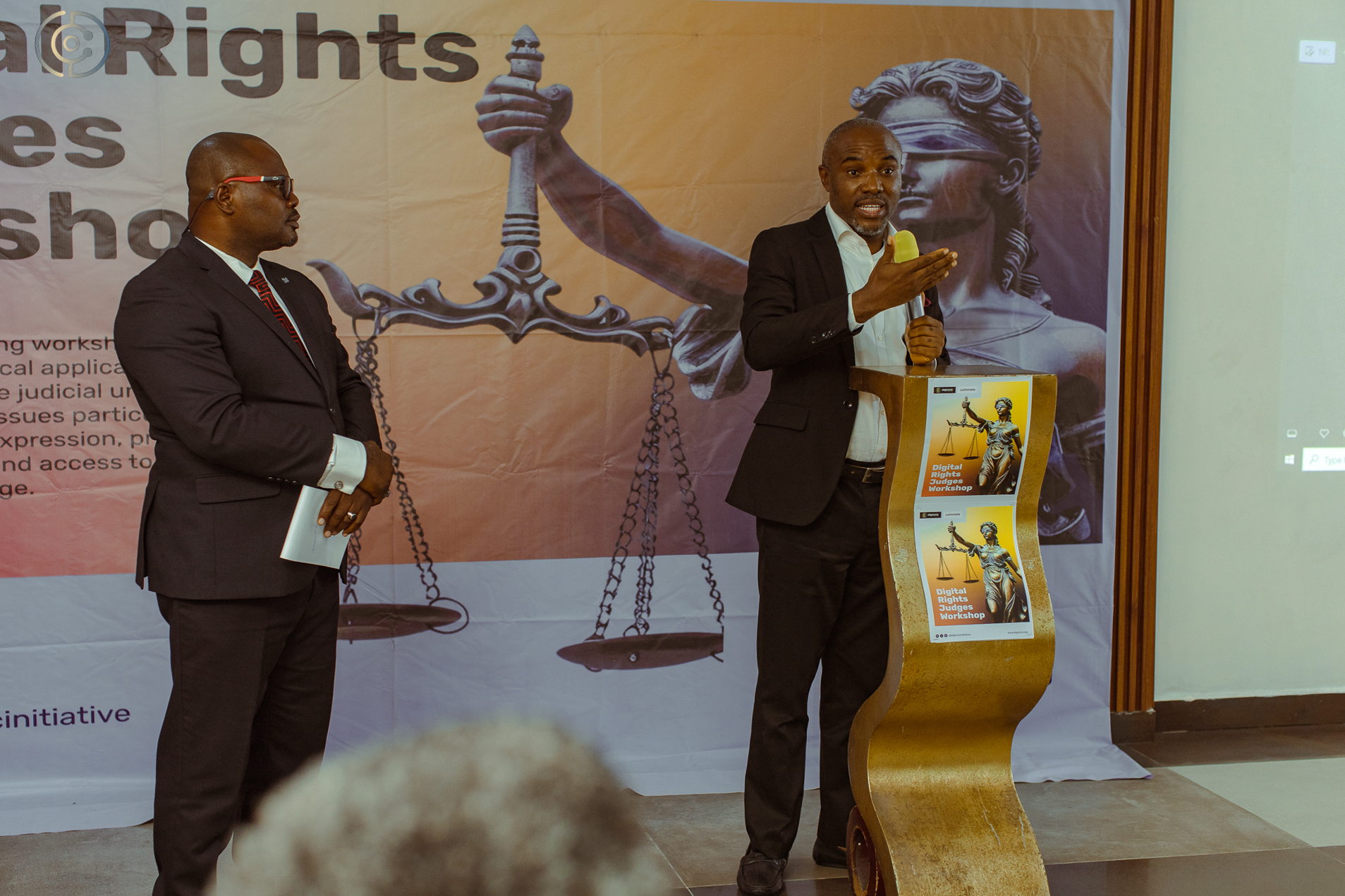
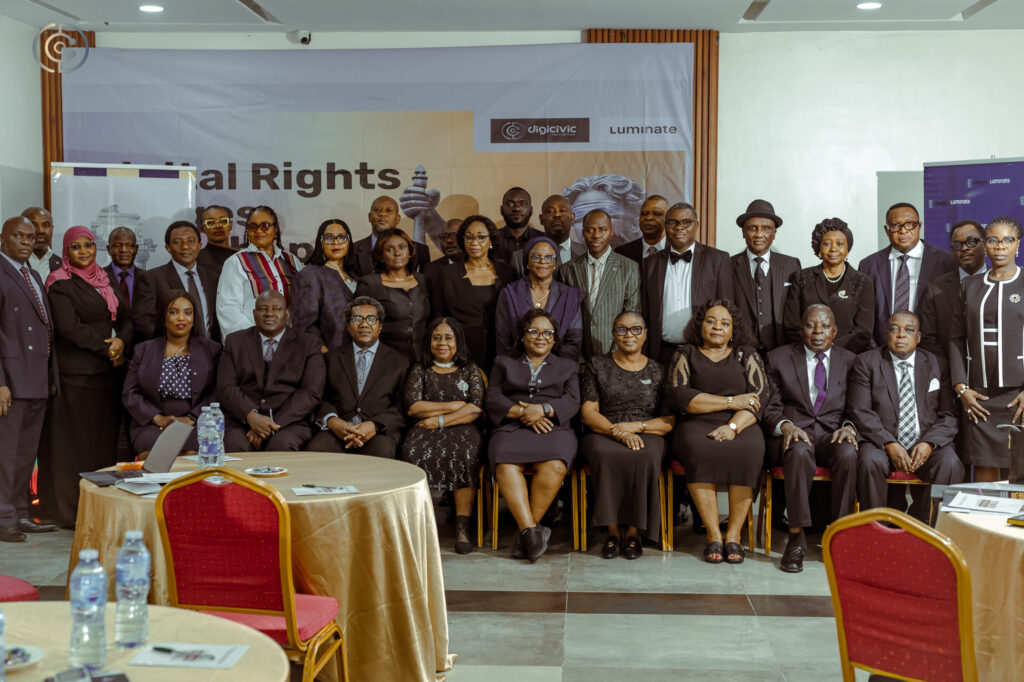
That reality brought judicial officers from Nigeria’s South-West Zone to Lagos for the second cohort of the Digital Rights Judges Workshop, where discussions moved beyond understanding digital rights to examining how those rights are applied in everyday judicial decision-making.
“The judiciary must continue to evolve alongside technology if justice is to remain accessible, relevant, and effective in the digital age.” Hon. Justice B.A. Adejumo, OFR, Administrator, National Judicial Institute
Organised by DigiCivic Initiative, in collaboration with the National Judicial Institute (NJI) and the National Human Rights Commission (NHRC), with support from Luminate, the workshop formed part of a broader national effort to strengthen judicial capacity for an increasingly digital society.
Hosted in Lagos for judicial officers from Nigeria’s South-West Zone, the workshop built on the momentum of the earlier Northern Zone training held in Abuja, extending judicial capacity-building efforts to another key region of the country.
A Different Kind of Judicial Conversation
Courts today are no longer deciding disputes that exist only in physical spaces.
Questions about privacy, artificial intelligence, online abuse, digital evidence, platform accountability, cybercrime, and data protection are steadily finding their way into Nigerian courtrooms.
For judges, this creates a different challenge. It is no longer enough to understand what the law says.
Courts must increasingly determine whether digital evidence is reliable, whether constitutional rights extend into online spaces in the same way they do offline, and how existing legal principles should apply to technologies that did not exist when many laws were written.
The Lagos workshop was designed to help judicial officers navigate these questions with greater confidence, practical insight, and a deeper understanding of the legal frameworks that already exist.
Learning Through Practical Judicial Scenarios
Rather than treating digital rights as an abstract policy issue, facilitators anchored discussions around situations judges are increasingly likely to encounter in court.
– How should AI-generated material be assessed?
– When does online abuse become actionable harm?
– What happens when surveillance technologies conflict with constitutional privacy protections?
– How should courts balance national security concerns with fundamental freedoms?
By working through practical legal scenarios instead of theoretical debates, participants examined how long-established legal principles continue to provide guidance in an era of rapidly changing technology.
A consistent message emerged throughout the workshop: digital rights cases often require fresh interpretation rather than entirely new law.
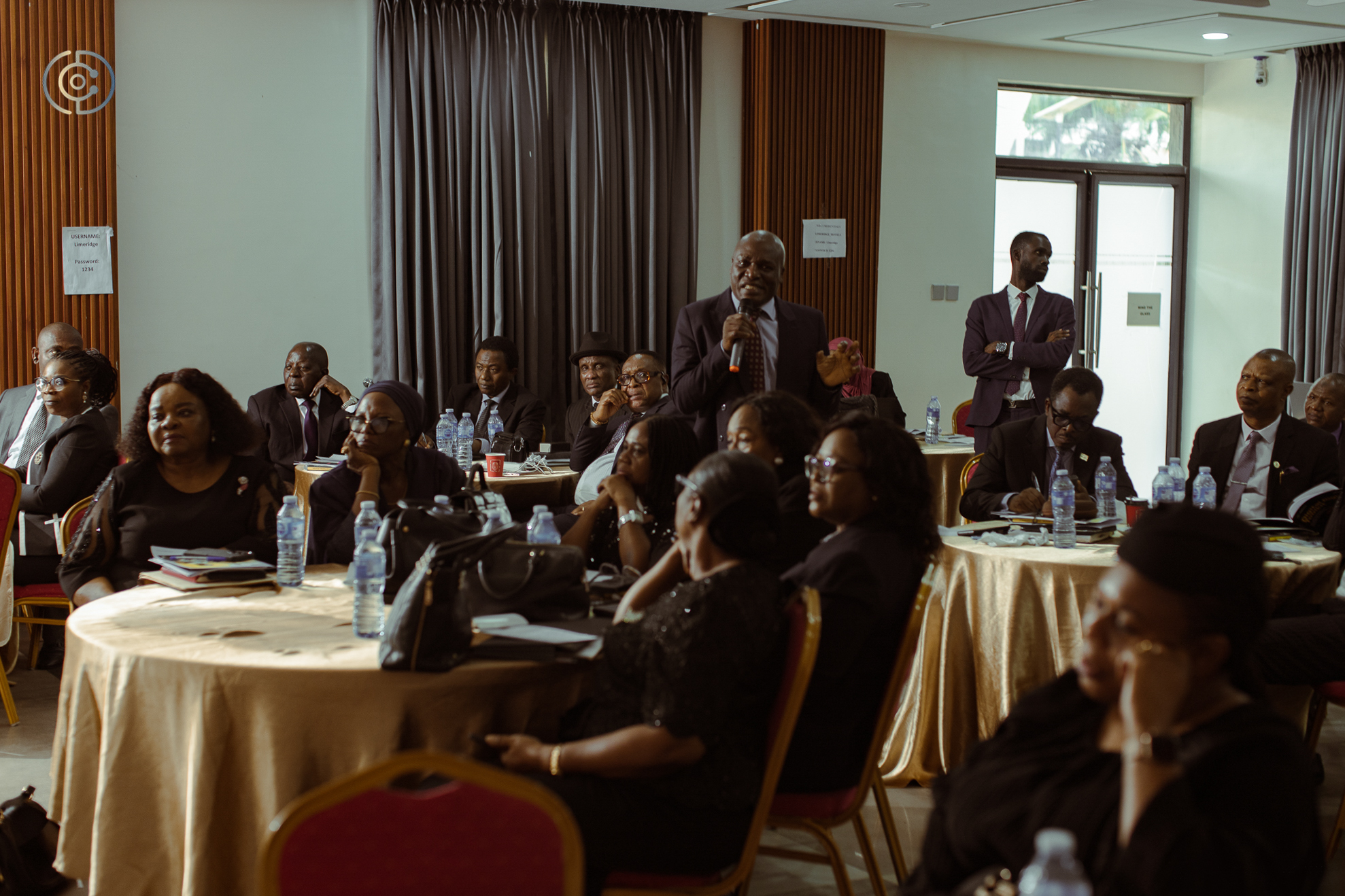
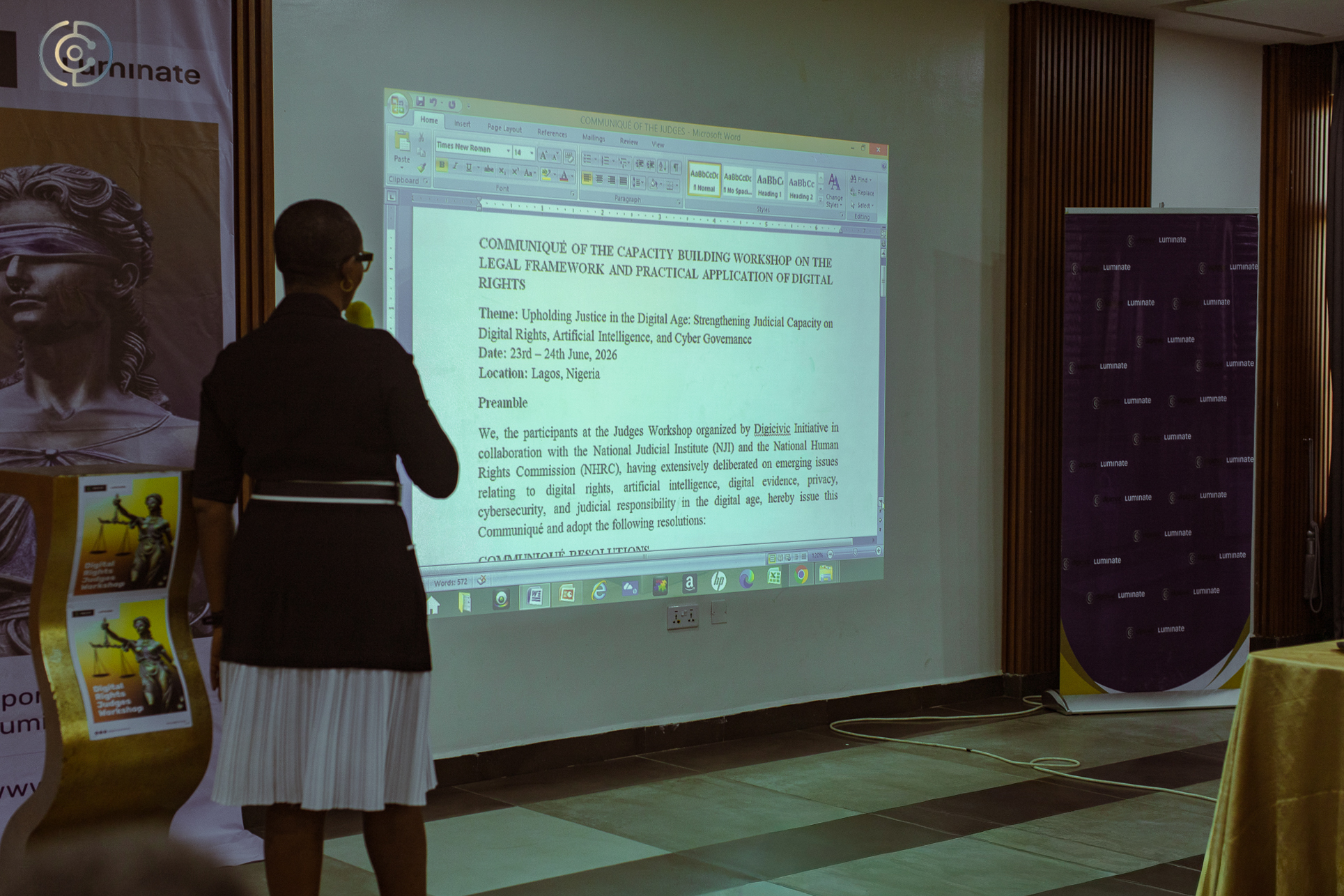
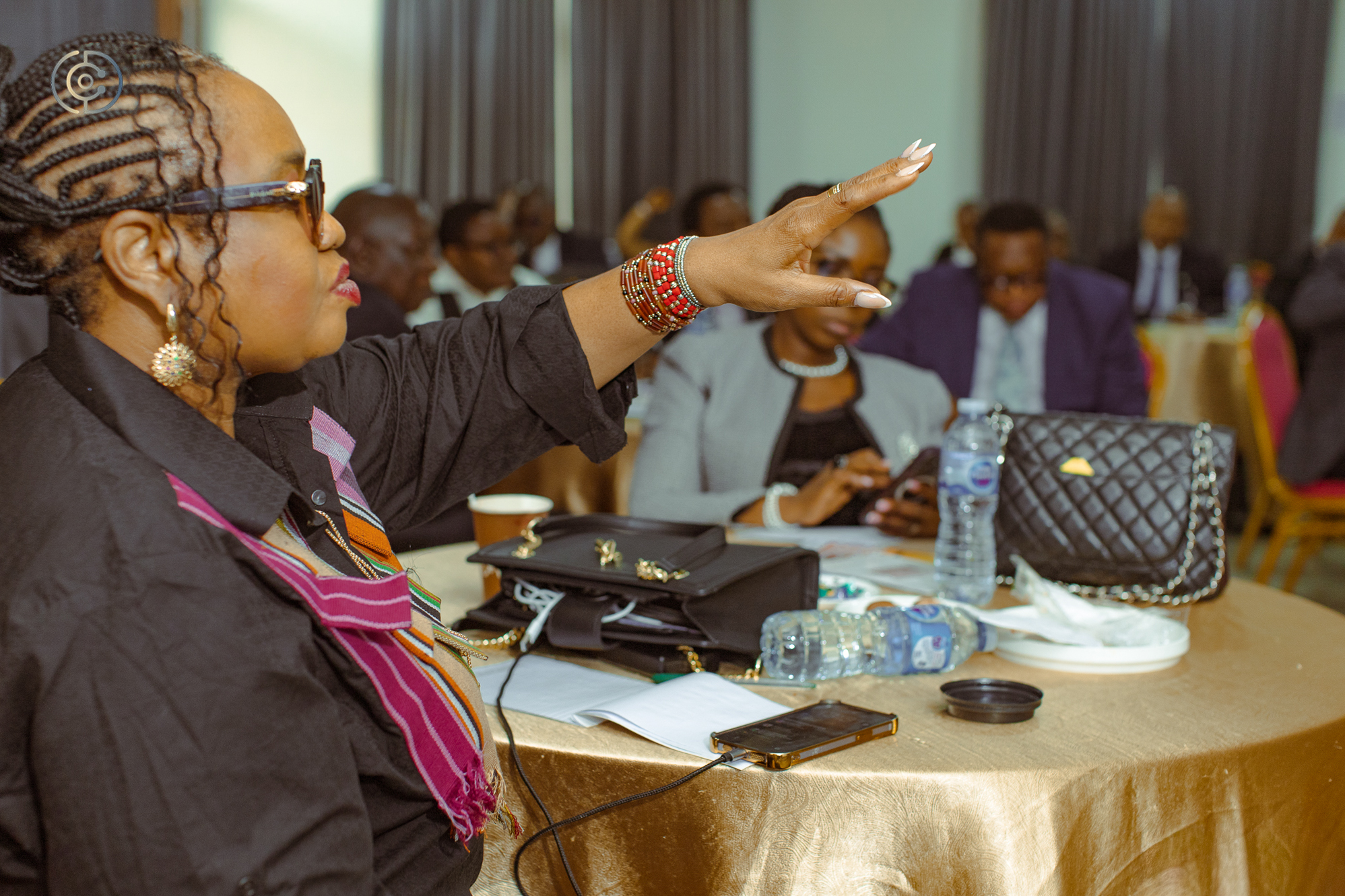
Throughout the two-day programme, judicial officers engaged in practical discussions, questioned long-held assumptions about digital evidence, and exchanged perspectives drawn from their own courtroom experiences. The workshop encouraged dialogue rather than lectures, creating opportunities for participants to collectively examine how the law should respond to emerging technologies.
Strengthening Judicial Responses to Emerging Challenges
Across the two-day programme, facilitators encouraged participants to think beyond individual cases and consider the wider implications of judicial decisions in the digital age.
Discussions explored:
– Artificial intelligence and the growing challenge of authenticating digital evidence
– Privacy rights and obligations under the Nigeria Data Protection Act
– Freedom of expression and the lawful limits of restrictions under constitutional and international human rights law
– Online Gender-Based Violence (OGBV) and the legal remedies available to victims
– Digital evidence preservation and admissibility
– The Lawful Interception of Communications Regulations and the legal limits of state surveillance
One session explored how deepfakes and synthetic media are already challenging long-held assumptions about visual evidence. Another examined the legal safeguards surrounding government interception of communications and the need to balance legitimate security interests with citizens’ constitutional rights.
The emphasis throughout remained practical.
How can courts ensure justice when evidence exists only in digital form?
How should authenticity be assessed when AI can generate convincing images, audio, and video?
How can existing constitutional protections continue to safeguard citizens in increasingly digital environments?
These were the questions participants grappled with over two days of discussion and peer learning.
Why Regional Judicial Training Matters
Digital rights challenges are not confined to one court or one part of Nigeria.
From commercial disputes involving personal data to criminal proceedings relying on digital evidence, judges across every region are increasingly encountering technology-related legal questions.
Building judicial capacity therefore requires more than a single workshop.
By delivering regional training programmes, DigiCivic Initiative and its partners are helping ensure that judicial officers across Nigeria have access to the same emerging knowledge, practical tools, and opportunities for peer learning.
This regional approach strengthens consistency in judicial understanding while building a growing community of judges equipped to respond confidently to digital rights issues wherever they arise.
Beyond Training: Building a More Digitally Prepared Judiciary
One of the strongest messages to emerge from the Lagos workshop was that strengthening judicial capacity cannot be treated as a one-time exercise.
Technology evolves rapidly. New forms of evidence continue to emerge. Legal questions that seemed hypothetical only a few years ago are now appearing before Nigerian courts.
Responding effectively requires continuous judicial education, institutional collaboration, and practical engagement with technological developments.
By bringing judicial officers together to exchange ideas, examine emerging legal issues, and explore practical judicial responses, the Digital Rights Judges Workshop is helping build a judiciary that is better prepared for the realities of the digital age.