

As Nigeria prepares for the 2027 general elections, much of the public conversation is about electoral reforms, voting procedures, technology and the credibility of results.
Credible elections also depend on something that happens long before polling day: whether citizens can express their views, access reliable information, question public officials and take part in public life without fear or intimidation.
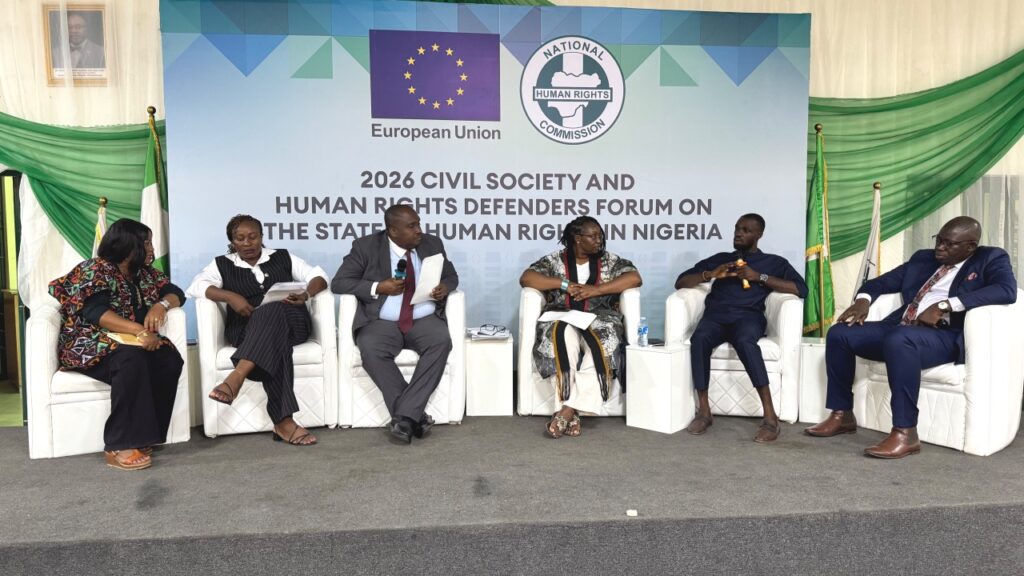
On 11 November 2026, NHRC Nigeria held the Civil Society and Human Rights Defenders Forum on the State of Human Rights in Nigeria, with support from the Delegation of the European Union to Nigeria and ECOWAS. The forum focused on protecting human rights in civic and political spaces ahead of the 2027 elections.
DigiCivic Initiative joined the panel on Media Freedom and Digital Rights. Ifiokobong Uko, Esq. spoke on behalf of our Executive Director, Mojirayo Ogunlana. The panel examined the pressures facing journalists, civil society actors and citizens in Nigeria’s digital environment, and the legal and institutional protections needed to safeguard their rights.
Press freedom is the public’s right to information
When journalists face intimidation, harassment or criminal prosecution linked to public-interest reporting, the consequences reach well beyond the individuals involved. Independent journalism is how citizens learn how public money is spent and how public power is used. Restricting it weakens the public’s access to information.
The panel raised concerns about how Nigeria’s Cybercrimes Act is applied to journalistic publications, and about the need for stronger safeguards against the misuse of criminal law.
Those concerns were immediate. On 10 November 2026, the Federal High Court in Abuja ordered the remand of Daniel Ojukwu, a journalist with the Foundation for Investigative Journalism, at the Kuje Correctional Centre. He was arraigned on charges including alleged cyberstalking and criminal defamation, arising from investigative reports on public expenditure. He pleaded not guilty, and the hearing of his bail application was adjourned to 1 December 2026.
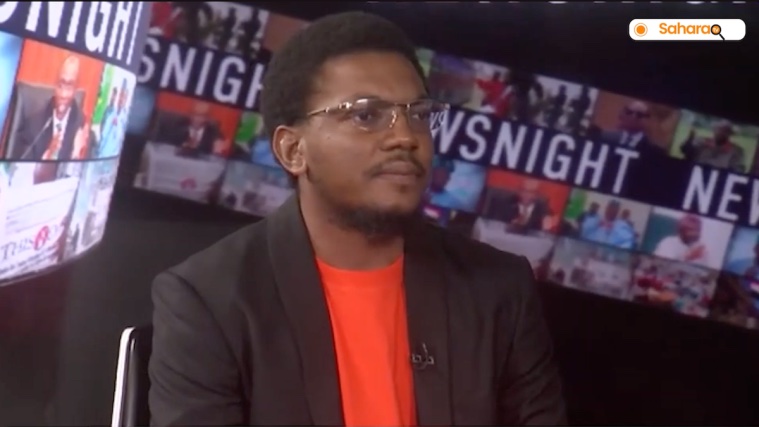
On 11 November, DigiCivic Initiative issued a press statement calling for prompt consideration of his bail application, restraint in the use of criminal proceedings against journalistic publications, and stronger safeguards against the misuse of cybercrime and defamation laws. We also called on relevant human rights institutions to monitor the proceedings within their mandates. TheCable reported on the statement.
Reputations deserve legal protection, and court proceedings must respect due process. The law should not, however, be applied in ways that discourage legitimate public-interest reporting or scrutiny of how public resources are used.
Digital threats do not stay online
The panel also discussed how online threats lead to offline harm. Digital platforms are now central to political discussion, advocacy and public accountability. The same spaces expose people to impersonation, surveillance, doxing, coordinated harassment and manipulated information.
The effects are felt beyond the screen:
- A journalist facing sustained online intimidation may hold back from sensitive investigations.
- A civic actor whose personal information is exposed may face threats to their physical safety.
- A political participant targeted by coordinated abuse may withdraw from public debate.
- Women in political and civic life may face additional risks, including gendered harassment and threats against their families.
Protecting people online is part of protecting their ability to take part in public life offline.
Regulation must protect rights
The panel examined the legal and regulatory environment for digital expression, including concerns about the Cybercrimes Act and the NCC’s Internet Code of Practice 2026.
Online harms, from unlawful surveillance and privacy violations to coordinated harassment, are real and need a response. That response must remain consistent with fundamental rights. Measures to address online harm should be lawful, proportionate, transparent and subject to oversight, and they should not become tools for restricting legitimate criticism, independent reporting or peaceful civic engagement. Journalists, civil society organisations, digital platforms and other affected groups should be consulted before such rules are made.
From discussion to accountability
A recurring message from the panel was that identifying rights violations is only the first step. Participants called for systematic documentation of attacks on journalists, stronger legal safeguards, strategic litigation and closer collaboration among institutions that protect civic and digital rights. Evidence of digital threats can support accountability when it is properly documented.
This means credible documentation and independent, sustained engagement from civil society; fair enforcement and effective remedies from public authorities; and responses to online harm from digital platforms that do not unnecessarily restrict legitimate expression.
What DigiCivic is doing
The issues raised at the forum are at the centre of our work on digital rights and civic participation:
- Speaking up when rights are at risk. Our press statement on Daniel Ojukwu’s remand sets out our concerns and demands.
- Helping people document what happens to them. Our free Digital Rights Toolkit sets out first steps for anyone targeted online: put your safety first, keep a record, save the evidence and report it.
- Joining national conversations like the NHRC forum, so that digital rights are part of how Nigeria prepares for the 2027 elections.
If your rights have been affected online, you can write to us at contact@digicivic.org.
Beyond the ballot
The 2027 elections will test more than the administration of electoral procedures. They will test whether journalists can investigate public-interest issues without intimidation, whether citizens can question those seeking office, and whether civic and political actors can take part safely, online and offline.
These are not questions for election day alone. They need attention throughout the electoral cycle.
The ballot matters. So does the freedom to speak, question, investigate, organise and participate before a vote is ever cast.